
Which materials can be gold plated?
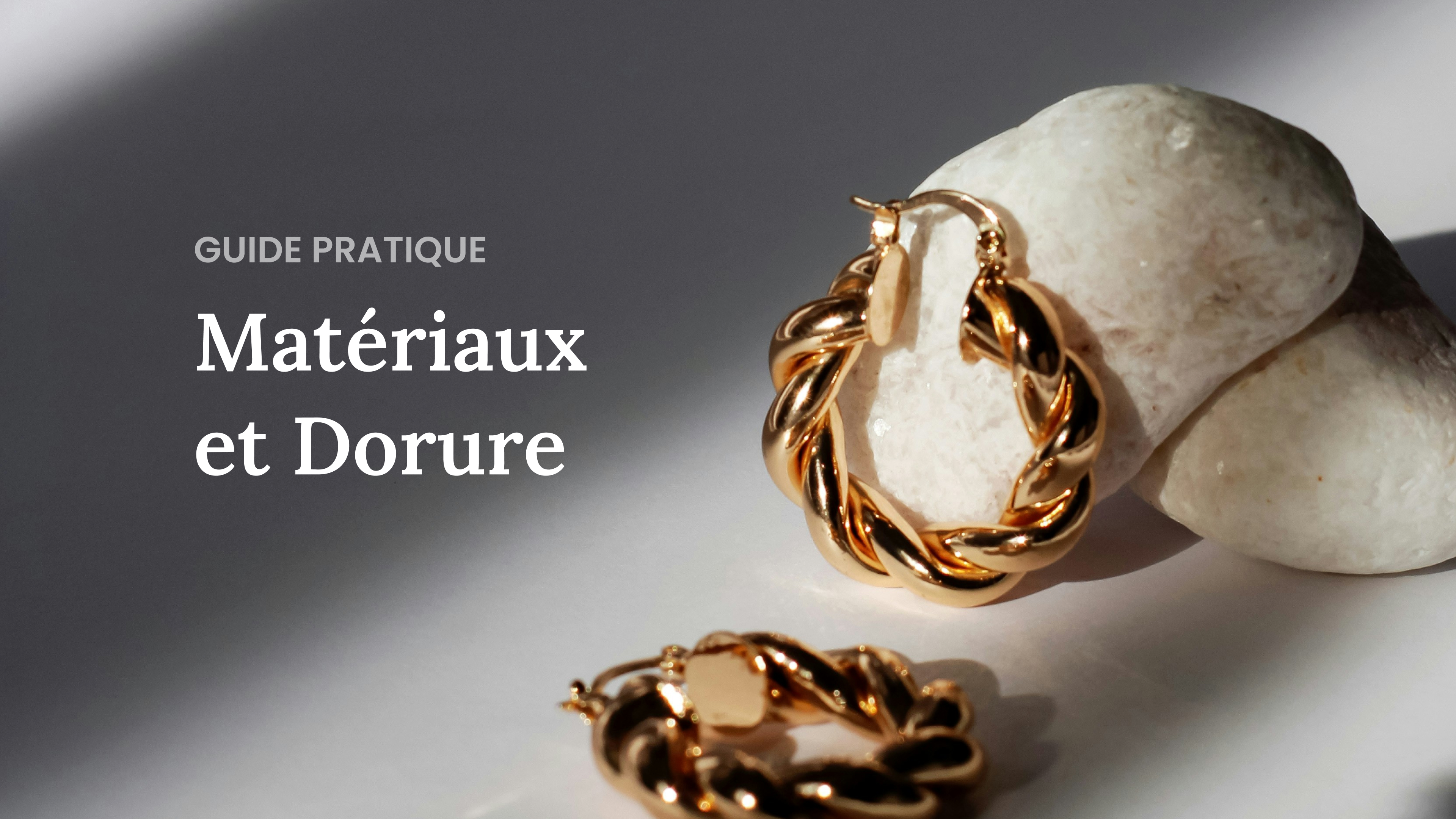


Practical guide by Micronor TS Decoration
Gold plating is not reserved for a single material: depending on the process used and the level of requirements (jewelry, decoration, technical parts), a wide range of metals (conductors) can receive a gold finish.
At Micronor TS Decoration, we have been working for a long time to adapt our processes to meet the expectations of designers, brands and industries: here is a clear overview of possible materials to be treated, their constraints and best practices.
Brass, the most common material for gilding
The brass (copper-zinc alloy) is historically the metal most used for fancy gilding. It has several advantages: ease of machining, good conductivity and a surface suitable for electroplating.
👉 In practice: the part is prepared (degreasing, pickling), electrolytic gilding is carried out and the thickness is checked (3 microns and more for “gold plated”). Brass provides a warm and uniform finish, which is commonly used in jewelry and decorative objects.
Sterling silver, ideal for vermeil
Money is the base required for the Vermeil : 925 sterling silver covered with at least 5 microns of gold (often 18K). Silver offers excellent durability and a very stable color under quality gilding. It is the preferred choice for high-end pieces looking for a finish close to solid gold at a controlled cost.
Copper, good adhesion and warm color
Copper is very reactive but accepts gilding well after careful pickling. It may require intermediate sub-layers depending on the desired rendering and resistance. It is often used for decorative parts or components that require good electrical conductivity before finishing.
Stainless steel, now a reality for gilding (and Micronor TS Decoration masters the process)
Historically, many jewelry gilders refused stainless steel because its surface and composition make it difficult to adhere. However, for more than 50 years, in industry, adapted processes have allowed perfectly controlled gilding on stainless steel for aeronautical applications, connectors, etc.
At Micronor TS Decoration, we have taken advantage of the industrial expertise of the Micronor group, having strong expertise in the industry in its other workshops in France, to adapt, since 2020, the ranges of gilding on stainless steel, to jewelry applications and obtain lasting adhesion and a uniform finish. Gold-plated stainless steel offers excellent mechanical resistance and increased longevity, particularly useful for contemporary jewelry and objects exposed to wear and tear.
Plated metals and composites, variable possibilities
Some substrates may receive gilding, provided that the surface guarantees good conductivity and adhesion. The evaluation is done on a case-by-case basis in the workshop.
The limits: plastics, varnishes and painted parts
⚠️ Attention: varnished or painted parts cannot be electroplated at Micronor TS Decoration. The varnish is insulating and prevents deposit. Likewise, non-conducting materials (raw plastics) are not compatible in galvanic baths at Micronor TS Decoration.
Choosing the right process for the material
- Electrolytic gilding : the reference method for quality jewelry and decoration: ideal for brass, silver, copper, stainless steel (with appropriate preparation).
- PVD (Physical Vapor Deposition) : useful for long-lasting colorations, often used in watchmaking and eyewear. It is not strictly gilding in the jewelry sense (little or no gold at all! ). It is used to give a golden color to stainless steel parts for example.
- Gold filled/lamination : mechanical method for obtaining a large thickness of gold, common in the United States, less standardized in Europe. American exclusivity, therefore forced to buy it in the USA. It is impossible to get supplies elsewhere.
Why entrust your parts to an expert workshop like Micronor TS Decoration?
✅ The success of gold plating depends as much on the material as on the surface treatment, of Thickness control And of knowhow. Micronor TS Decoration benefits from a workshop sized and equipped for jewelry, as well as a transversal experience (industry) that makes it possible to extend the possibilities, in particular gilding on stainless steel, while guaranteeing durability and aesthetics.
In a few words
Many metals can be gilded: brass, silver, copper, stainless steel... but each material imposes its own treatments and constraints. To obtain a lasting and compliant result (gold plated, vermeil), it is better to rely on a workshop that masters both processes and quality controls.
To find out more or to assess the feasibility of treating a specific part, contact our teams in order to obtain support for your project.
Stay connected to our workshop.
Follow our latest achievements, our business news and behind the scenes of our know-how on our professional social networks.